Get Septic System Installation
Septic system installation services help property owners set up reliable waste management systems, handling projects like new installations, replacements, and system upgrades to prevent backups and odors.
If you're considering septic system installation for a property in the area, you're in the right place to start exploring your options. Proper planning is essential to ensure the system meets your property's needs and complies with local regulations. Comparing services from experienced local contractors can help you identify solutions that are practical, reliable, and suited to your specific site conditions. Whether you're preparing for new construction or replacing an existing system, understanding the available options can make the process smoother and more informed.
Property owners often look into septic installation to support their long-term property goals, improve land use, or ensure efficient waste management. Connecting with trusted local service providers can provide clarity on the different approaches and technologies available, helping you make choices that align with your property's requirements. Keep reading to learn more about how local contractors can assist with planning and installing a septic system that fits your property’s unique needs.
- Septic System Installation - needed when constructing a new property that requires a reliable wastewater management solution.
- Septic System Replacement - necessary when an existing septic system has failed or is no longer functioning properly.
- Septic System Repair - required if there are issues such as leaks, backups, or drainage problems with an existing system.
- Septic System Inspection - recommended before purchasing a property or to diagnose potential issues with current septic setups.
- Septic System Upgrades - sought when existing systems need to be expanded or improved to meet increased usage or code requirements.
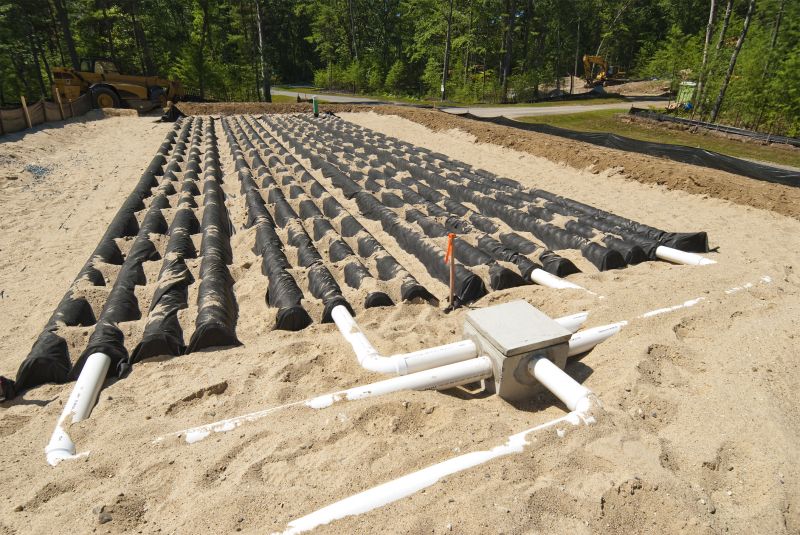
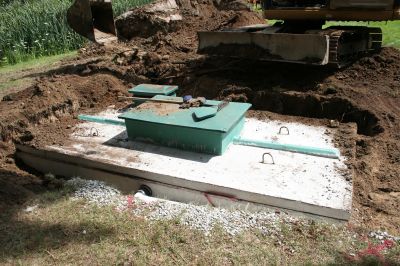
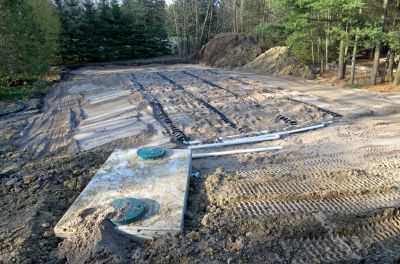
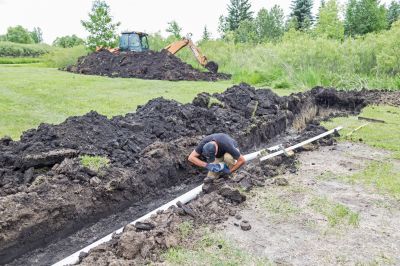
Septic system installation involves setting up a self-contained wastewater treatment system on a property that is not connected to a municipal sewer. This process typically includes excavating the site, installing a septic tank, and setting up the drain field, which allows wastewater to be safely absorbed into the ground. Experienced service providers ensure that the system is properly designed and installed to meet local regulations and the specific needs of the property, providing a reliable solution for managing household sewage.
This service helps address common problems such as sewage backups, foul odors, and groundwater contamination caused by outdated or improperly functioning systems. Installing a new septic system can prevent costly repairs and health hazards associated with leaks or overflows. It is especially important for properties where connecting to municipal sewer lines is not feasible, or where existing systems are failing and require replacement to maintain proper sanitation and property value.
Septic system installation is often needed for rural homes, country properties, or land parcels where municipal sewer access is unavailable. It is also suitable for new construction projects on undeveloped land, or for properties that have experienced issues with their current systems. Homeowners considering a septic system should consult local contractors to determine the best type and size of system for their property’s size, usage, and soil conditions.
By working with local service providers, homeowners can ensure the installation process is handled efficiently and correctly. These professionals can assess the property, recommend appropriate system options, and handle all aspects of installation from start to finish. Proper installation helps ensure the septic system functions effectively, providing peace of mind and proper sanitation for years to come.
The overview below groups typical Septic System Installation projects into broad ranges so you can see how smaller, mid-sized, and larger jobs often compare in your area.
In many markets, a large share of routine jobs stays in the lower and middle ranges, while only a smaller percentage of projects moves into the highest bands when the work is more complex or site conditions are harder than average.
Smaller Repairs - Typical costs for minor repairs or maintenance on septic systems generally fall between $250 and $600. Many routine fixes and inspections are completed within this range, though prices can vary based on specific issues and system types.
Septic System Installation - Installing a new septic system usually costs between $3,000 and $7,000 for standard setups. Larger or more complex installations, such as those requiring extensive site prep, can reach $10,000 or more, with most projects falling in the middle of this range.
Full System Replacement - Replacing an entire septic system typically ranges from $6,000 to $15,000. Many homeowners see costs in this range, though highly customized or difficult sites can push expenses higher, especially for larger properties or advanced system types.
Advanced or Custom Installations - More complex projects, including specialty systems or difficult terrain, can cost $15,000 and above. While these are less common, local contractors can provide estimates based on specific site conditions and system requirements.
Actual totals will depend on details like access to the work area, the scope of the project, and the materials selected, so use these as general starting points rather than exact figures.
Drain Field Installation - involves planning and installing underground systems that effectively disperse wastewater, similar to septic system setup.
Soil Testing and Site Assessment - requires evaluating soil conditions and site planning to ensure proper septic system function and longevity.
Water Line Plumbing - includes trenching and pipe installation skills that are also essential for septic system connections and maintenance.
Wastewater Treatment System Setup - covers installing alternative or advanced treatment units that require similar planning and installation techniques.
Drainage System Construction - involves designing and installing subsurface drainage, sharing skills in excavation and site layout with septic projects.
Utility Trenching and Excavation - encompasses digging and trenching work necessary for septic system components and related underground utilities.
When comparing service providers for septic system installation, it’s important to consider their experience with similar projects. Homeowners should look for local contractors who have a proven track record of handling septic system installations comparable to the scope and complexity of their own property. Asking about past work can provide insight into the contractor’s familiarity with local soil conditions, regulatory requirements, and installation techniques that suit the area’s specific needs. A contractor’s experience with similar projects can help ensure that the installation is performed efficiently and effectively.
Clear written expectations are essential to a successful project. Homeowners should seek out local service providers who are willing to provide detailed estimates, scope of work, and project timelines in writing. This transparency helps prevent misunderstandings and offers a clear understanding of what services will be provided, what materials will be used, and how the project will proceed. Having these expectations documented allows for easier communication and serves as a reference throughout the project, contributing to a smoother installation process.
Reputable references and good communication are key factors when selecting local pros for septic system installation. Homeowners can ask potential service providers for references from recent clients or examples of completed projects. Contacting these references can offer valuable insights into the contractor’s professionalism, reliability, and quality of work. Additionally, choosing a contractor who communicates clearly and promptly can make the process more straightforward, ensuring questions are answered and concerns are addressed throughout the project. It’s important to work with local service providers who prioritize open communication and have a history of satisfied clients.
Property owners use Septic System Installation services for practical projects around their homes and businesses. This guide focuses on everyday jobs and straightforward project options.
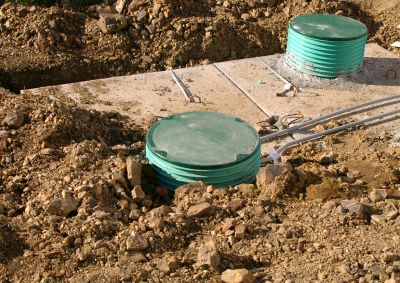
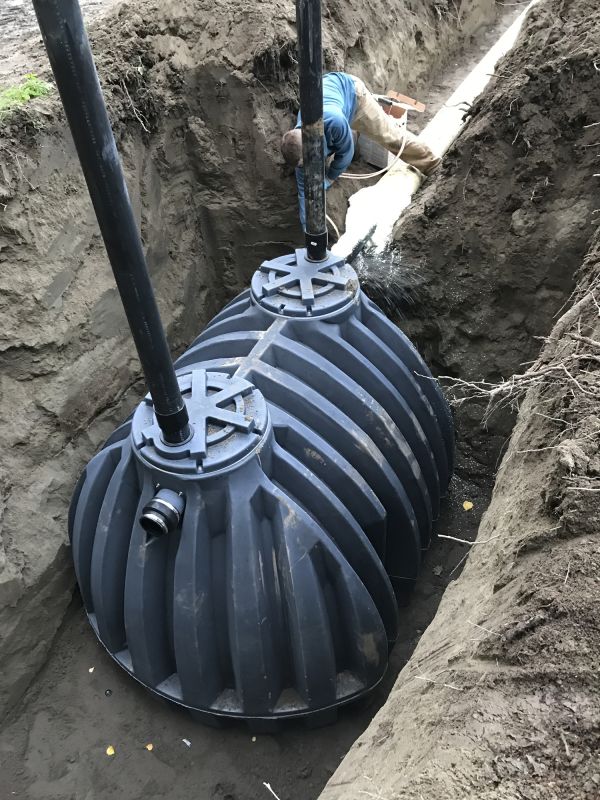
Septic system installation is a common project for property owners who are building new homes, expanding existing properties, or replacing outdated systems. In many cases, residents may need a reliable solution when their current septic system is failing or no longer meets the needs of their household. Local contractors can provide the expertise needed to assess site conditions, recommend appropriate system types, and handle the installation process efficiently, ensuring the property remains functional and compliant with local regulations.
Homeowners and landowners often seek septic installation services when setting up a property in rural areas or places without access to municipal sewer lines. Additionally, property owners planning renovations or additions might require an upgraded septic system to accommodate increased usage. Service providers in the area are equipped to manage these projects, offering tailored solutions that fit the specific needs of each property and ensuring the system is installed correctly for long-term performance.
What is involved in septic system installation? Septic system installation typically includes site assessment, designing a suitable system, excavation, and proper setup of the tank and drain field by local contractors experienced in septic services.
How do I know if I need a new septic system? Signs that may indicate the need for a new septic system include persistent odors, slow drains, or sewage backups, prompting consultation with local service providers for assessment and installation options.
Are there different types of septic systems available? Yes, local contractors can install various types of septic systems, such as conventional, mound, or alternative systems, depending on site conditions and local regulations.
What factors influence the installation process? Factors like soil type, property size, and local regulations can affect septic system installation, which is handled by experienced local service providers to ensure proper setup.
How can I prepare my property for septic system installation? Preparing your property may involve clearing the installation area and ensuring access for contractors, with guidance from local pros to facilitate the process.
Septic System Installation - Property owners planning to build a new home can explore local contractors who specialize in installing septic systems suitable for their land and usage needs.
Septic System Replacement - Homeowners with an aging or malfunctioning system might consider connecting with local service providers for a reliable replacement solution.
Septic System Upgrades - Property owners looking to expand their property or increase capacity can find local pros experienced in upgrading existing septic systems.
Septic System Maintenance Planning - Those interested in long-term system health can consult local contractors to develop a maintenance plan tailored to their property.
If you are thinking about Septic System Installation for a property, this guide is meant to help you understand the work, the typical project types, and how different options might fit your plans.
When you are ready, you can use the quote form on this page to share a few details about your project. From there, local pros can review the basics and respond with options that match what you have in mind.